Why Winter Is the Deadliest Season for House Fires
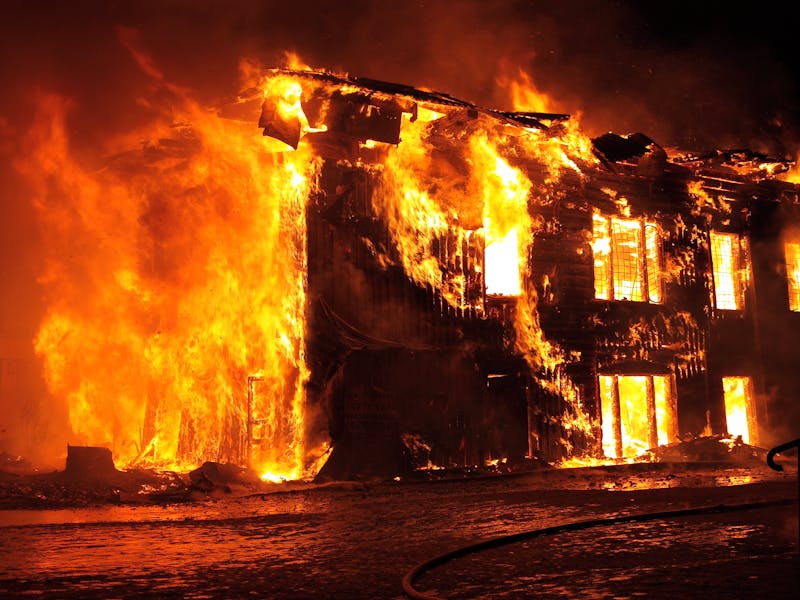
House fires peak during the winter months, and the Tennessee Valley is no exception. The combination of heating equipment, holiday cooking, increased candle use, and dry indoor air creates a perfect storm of fire risk. December, January, and February consistently see the highest numbers of residential fires, fire deaths, and fire injuries nationwide. Understanding the leading causes empowers you to protect your home and family.
Heating Equipment: The Number One Cause
Heating equipment causes more winter house fires than any other source. Space heaters are responsible for the majority of these fires. Fireplaces, wood stoves, and furnaces also contribute significantly. Follow these guidelines to reduce your risk:
- Keep space heaters at least three feet from anything combustible
- Never leave a space heater running unattended or while sleeping
- Plug space heaters directly into wall outlets, never into extension cords or power strips
- Have your chimney inspected and cleaned annually before use
- Install a spark screen on fireplaces and never leave a fire unattended
- Schedule annual furnace maintenance to catch potential hazards
Electrical Fires Increase in Winter
Overloaded circuits are more common in winter as homeowners plug in heaters, holiday lights, and additional appliances. Old wiring in many Tennessee Valley homes may not be rated for the electrical loads that modern living demands. Signs of electrical problems include frequently tripping breakers, flickering lights, discolored outlets, and a burning smell near electrical panels or outlets. Any of these signs warrants an immediate call to a licensed electrician.
Cooking Fire Safety
Cooking remains the leading cause of home fires year-round, with spikes during Thanksgiving and Christmas. Never leave cooking unattended on the stovetop. Keep a fire extinguisher in the kitchen and know how to use it. Grease fires should never be doused with water. Instead, smother them with a lid or use a Class B fire extinguisher.
Protect Your Home with Working Alarms
Working smoke alarms reduce the risk of dying in a house fire by 55 percent. Install smoke alarms on every level of your home, inside each bedroom, and outside sleeping areas. Test them monthly and replace batteries at least once a year. Replace the entire unit every ten years. Consider interconnected alarms so that when one sounds, they all sound.
All States Restoration Restores Fire-Damaged Homes
If fire strikes your Tennessee Valley home this winter, All States Restoration provides complete fire damage restoration services. From emergency board-up and smoke damage cleanup to structural repairs and full reconstruction, we restore your home and help you through the insurance process. Our team responds quickly because we know that fast action limits damage and speeds recovery. Keep our number saved for peace of mind all winter long.