Smoke Odor Is a Chemistry Problem, Not a Smell Problem
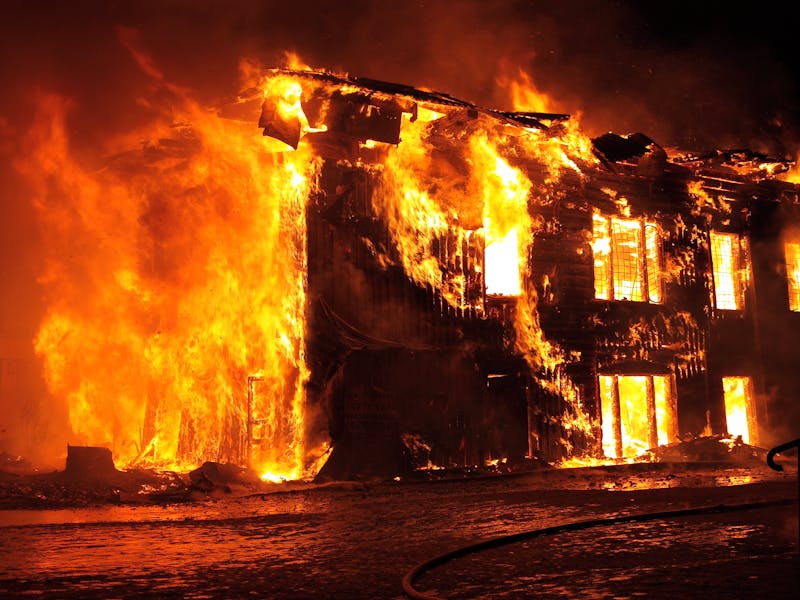
After a house fire, even a small one, the lingering odor most homeowners try to mask with candles or vinegar is actually thousands of microscopic combustion particles that have settled into porous surfaces. Drywall, carpet padding, upholstery, wood framing, and HVAC ductwork all absorb these particles and re-release them every time the air moves through the home. Until those particles are removed or chemically neutralized, the smell comes right back.
Why Common Remedies Fall Short
- Vinegar and baking soda: useful for fresh surface odors, but cannot reach particles inside drywall, insulation, or duct interiors.
- Ozone generators sold online: consumer units rarely produce enough ozone to break down protein-based smoke, and improper use can damage rubber, fabric, and houseplants.
- Repainting without sealing: standard paint traps smoke under the surface temporarily, then odor bleeds through within weeks.
- Carpet cleaning alone: if the padding underneath has absorbed soot, the smell returns the moment humidity rises.
- Replacing only the obviously damaged items: soot travels far beyond the visible burn area, especially through ductwork.
What Professional Smoke Remediation Looks Like
A proper remediation starts with a damage assessment that maps both the fire path and the smoke path. Hard surfaces are HEPA vacuumed and then cleaned with cleaners matched to the type of smoke, since protein fires, synthetic fires, and natural-material fires all behave differently. Porous materials that cannot be cleaned are removed and replaced. Thermal fogging or hydroxyl generators are used to neutralize odor at the molecular level inside the structure. HVAC systems get a full duct cleaning, since every cycle moves contaminated air across the home until that work is done.
Insurance and Documentation
Most homeowners policies cover smoke damage even if the fire itself was minor or contained, but the claim depends on documentation. Photos before any cleanup, an itemized list of affected contents, and a written remediation scope are what your adjuster will ask for. Skipping these steps to start cleaning faster is the mistake that costs the most in the long run.
The Bottom Line
Smoke odor that keeps coming back is not a sign you used the wrong product, it is a sign the source has not been treated. All States Restoration handles full fire and smoke restoration across the Tennessee Valley, including odor removal, content cleaning, structural repairs, and direct insurance billing. If your home still smells like the fire weeks later, the work is not finished and we can help.