Frozen Pipes Are More Common in Alabama Than You Think
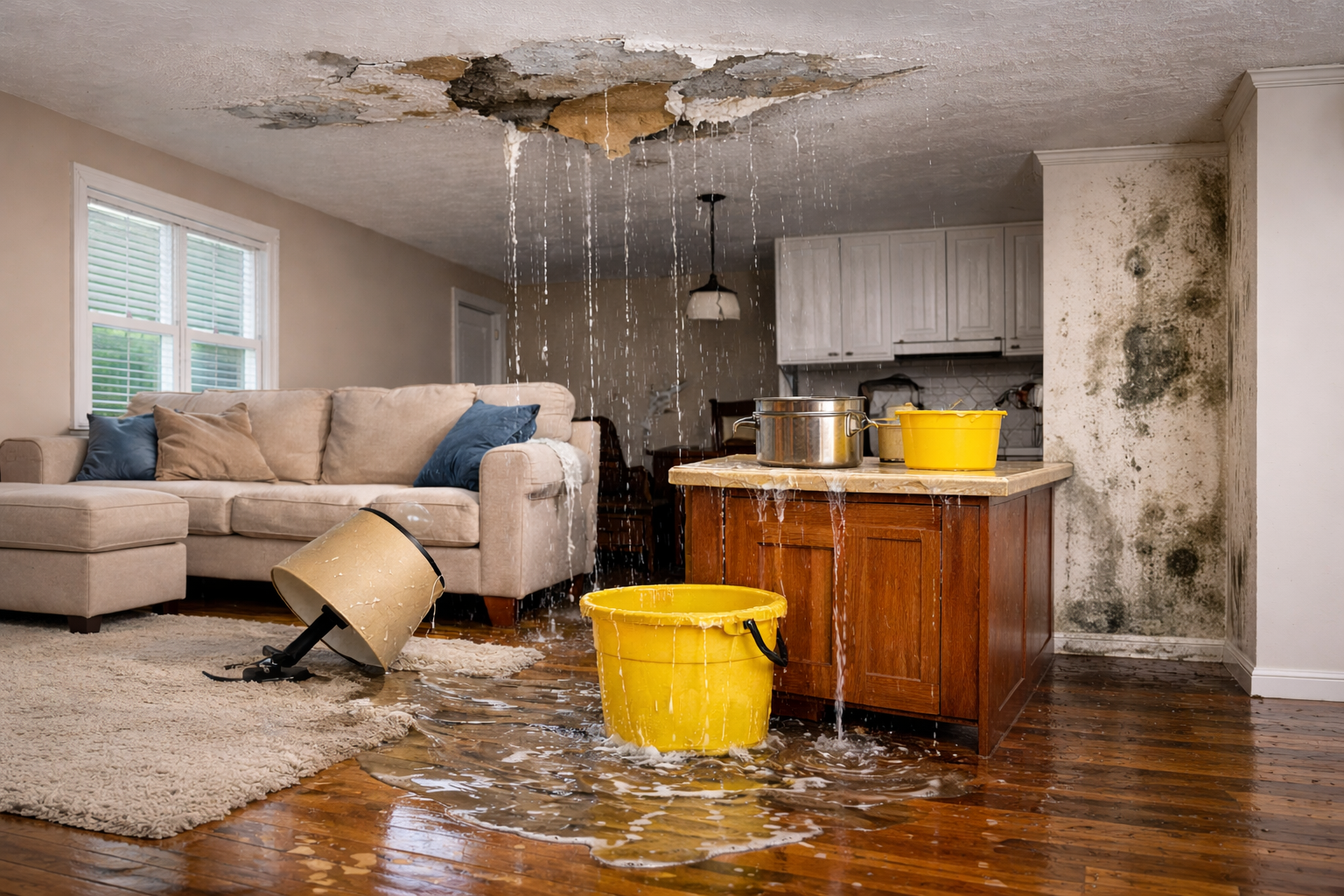
Many Tennessee Valley homeowners assume frozen pipes are a northern problem. The truth is, homes in our region are often less insulated against extreme cold, making them more vulnerable when temperatures plunge below freezing. A burst pipe can flood a home in minutes, causing extensive water damage to floors, walls, and personal belongings.
Which Pipes Are Most at Risk
Not all pipes freeze equally. The most vulnerable lines in your home are those in unheated or poorly insulated areas. Pay special attention to these locations:
- Crawl spaces and basements without heat
- Exterior walls with plumbing runs
- Attics and unfinished garages
- Outdoor spigots and hose bibs
- Pipes under kitchen or bathroom sinks on exterior walls
Insulation Is Your Best Defense
Pipe insulation is inexpensive and easy to install. Foam sleeve insulation from any hardware store can be cut to size and slipped over exposed pipes. For pipes in especially cold areas, consider adding heat tape or heat cable with a built-in thermostat that activates when temperatures drop.
What to Do on the Coldest Nights
When the forecast calls for temperatures in the teens or single digits, take extra precautions. Open cabinet doors under sinks to let warm air circulate around pipes. Let cold water drip from faucets served by exposed pipes. Even a slow trickle keeps water moving and reduces the chance of a freeze.
Signs a Pipe Has Already Frozen
If you turn on a faucet and only get a trickle or nothing at all, a pipe may be frozen. You might also notice frost on an exposed pipe or a strange bulge in the line. Never use an open flame to thaw a pipe. Instead, apply gentle heat with a hair dryer, heating pad, or warm towels.
Call All States Restoration for Water Damage Emergencies
If a frozen pipe bursts in your home, shut off the main water supply immediately and call All States Restoration. Our water damage restoration team serves the entire Tennessee Valley with fast response times, professional water extraction, structural drying, and complete repairs. The sooner you call, the less damage your home will sustain.