Choosing the Right Flooring After Water Damage
If your Tennessee Valley home has experienced water damage, there is a good chance your flooring needs replacement. Water-damaged flooring that looks like it has dried out may still harbor moisture and mold beneath the surface, creating ongoing health and structural concerns. When it is time to replace, choosing the right material for our Alabama climate and humidity levels is just as important as the installation quality.
Best Flooring Options for Tennessee Valley Homes
Luxury Vinyl Plank
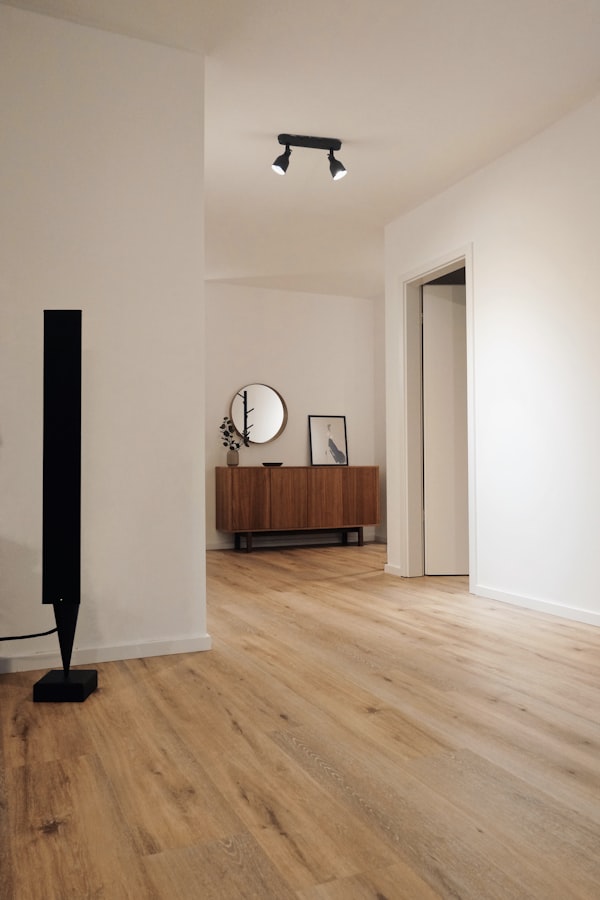
Luxury vinyl plank has become the most popular flooring choice in the Tennessee Valley for good reason. It is 100 percent waterproof, handles humidity without expanding or contracting, looks remarkably like real hardwood, and is comfortable underfoot. Modern LVP is extremely durable and resists scratches from pets and heavy furniture. For homes that have experienced water damage, LVP provides peace of mind that future moisture events will not destroy your floors again.
Ceramic and Porcelain Tile
Tile remains an excellent choice for moisture-prone areas like kitchens, bathrooms, entryways, and laundry rooms. Porcelain tile in particular is nearly impervious to water absorption. Modern tile comes in an incredible variety of styles, including options that convincingly mimic wood and stone. The key to tile performance in our climate is proper installation with quality grout and sealant.
Engineered Hardwood
If you love the warmth and beauty of real wood, engineered hardwood is a better choice for Alabama's humidity than solid hardwood. Its layered construction resists the expansion and contraction that plagues solid wood in humid environments. However, engineered hardwood is not waterproof and should not be used in areas with high moisture risk.
Materials to Avoid After Water Damage
- Carpet: Carpet absorbs and retains moisture, making it the worst choice for areas that have experienced flooding or water intrusion.
- Solid hardwood: While beautiful, solid hardwood is extremely sensitive to the humidity fluctuations common in Tennessee Valley homes.
- Laminate: Despite its appearance, standard laminate flooring swells and warps when exposed to moisture.
Professional Installation Matters
Before any new flooring is installed after water damage, the subfloor must be thoroughly dried and inspected for mold or structural damage. Skipping this step is a recipe for future problems. All States Restoration handles the complete process from water damage remediation through flooring installation, ensuring every layer is properly addressed. Contact us for a consultation on restoring and upgrading your floors after water damage.